
Inside Georgia’s Art & Travel International Film Festival
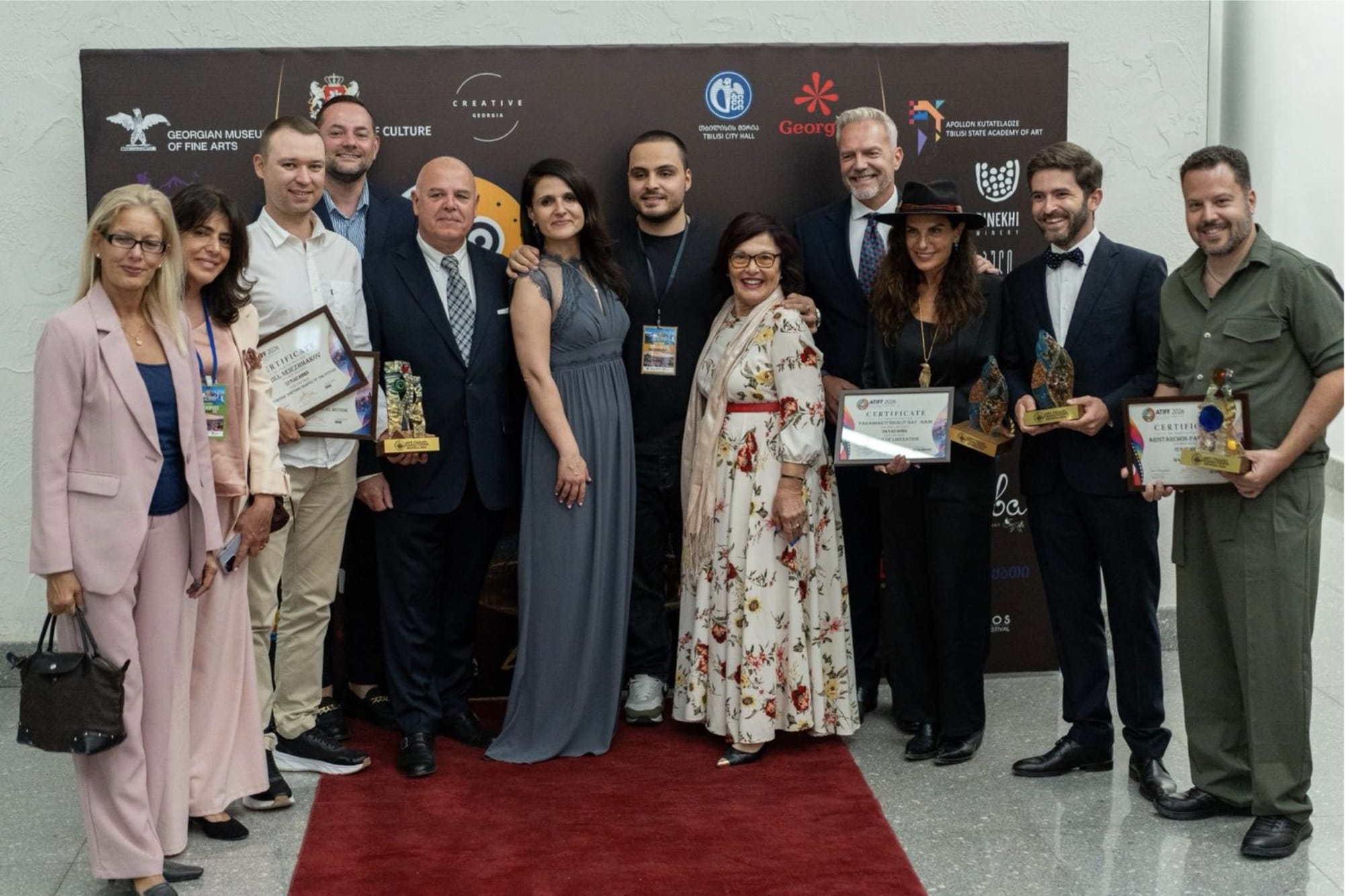
ATIFF 2026 award recipients, international guests, and festival leadership gather at the Georgian Museum of Fine Arts in Tbilisi.
There are journeys we take through geography and there are journeys that rearrange something inside us.
Arriving in Tbilisi for the 2026 Art & Travel International Film Festival (ATIFF), I knew I was coming as a filmmaker, journalist, facilitator, and Special Guest. I was also arriving with Dance of Liberation, a documentary born from more than two decades of exploring the body as a place of memory, transformation, and new possibility.
What I did not yet know was how completely Georgia itself would become part of the story.
ATIFF does not feel like a festival contained inside a theater. Its cinema moves outward into museums, academies, ancient monasteries, vineyards, shared tables, music, architecture, and human encounter. Over three days, the festival became less a series of scheduled events and more a living conversation between art, travel, landscape, and the people gathered from around the world to experience them.
A Festival Born from Place
For festival founder and president Irina Khangoshvili, that relationship between art and place is precisely where ATIFF began. After years of traveling internationally and serving on juries at tourism/documentary film festivals, Irina says one conviction stayed with her: Georgia held an extraordinary convergence of living art and breathtaking landscape.
Art and tourism are not merely economic sectors for our country. They are the very heartbeat of our cultural identity and our most authentic bridge to the rest of the world.
— Irina Khangoshvili, Founder & President of ATIFF
That question eventually became a festival. With early support from Tbilisi City Hall and Georgian National Tourism Administration, ATIFF launched in 2024. In only its second edition, Irina sees the vision expanding from a destination cinema showcase into what she calls an interdisciplinary cultural institution — a place where cinema, museum heritage, academic scholarship, masterclasses, and cultural diplomacy can meet. This year, that vision was supported by the Ministry of Culture of Georgia, Creative Georgia, Tbilisi City Hall, and the Georgian National Tourism Administration.
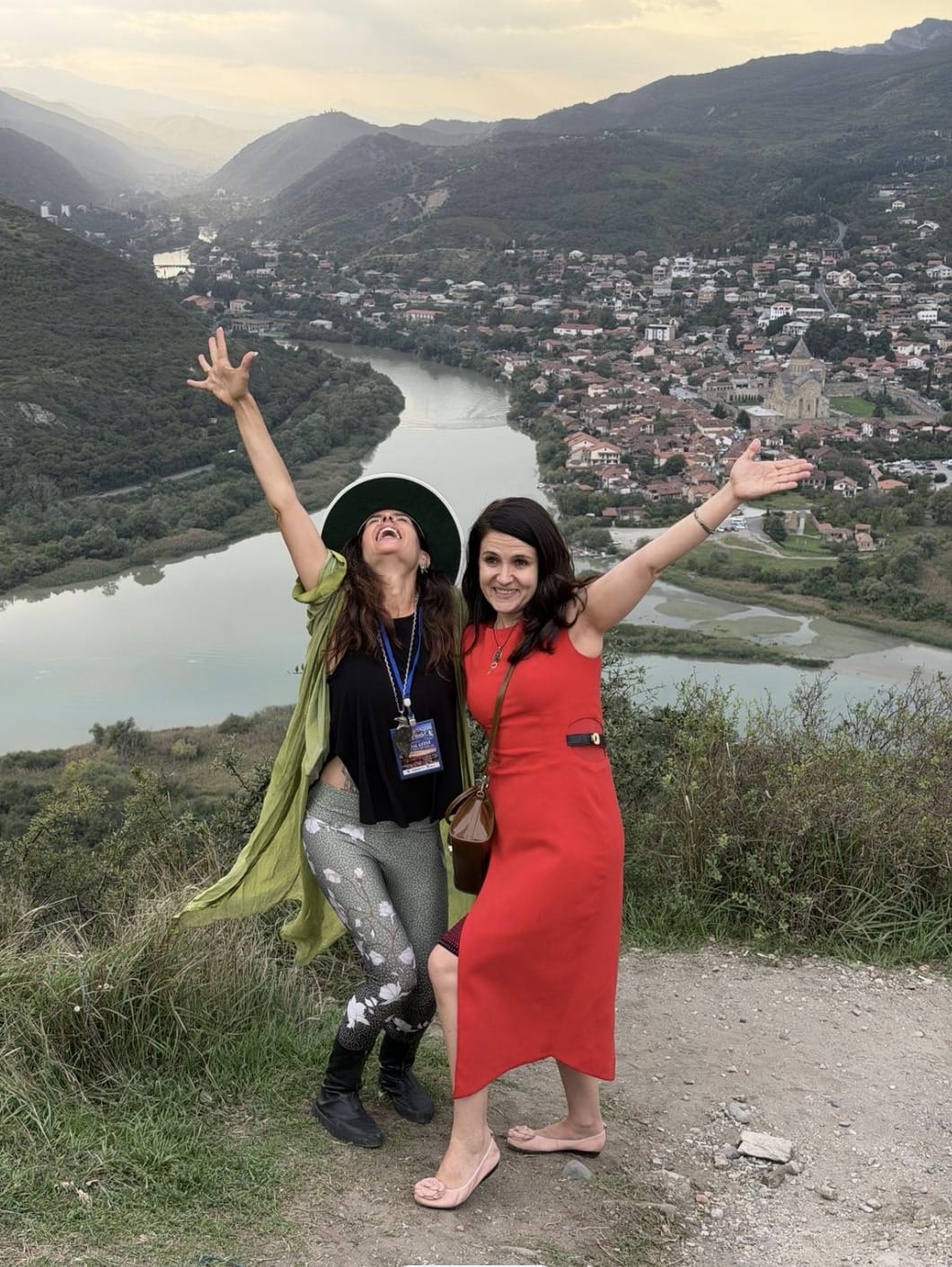
With ATIFF founder Irina Khangoshvili above Mtskheta, Georgia’s ancient capital. The landscape itself became part of the festival’s storytelling. Photo from the festival archive.
Georgia Becomes the Screen
The festival opened at the Georgian Museum of Fine Arts in Tbilisi, where filmmakers, journalists, jury members, artists, and international guests gathered beneath one roof.
From the beginning, the range of voices made the gathering feel larger than a conventional film festival. Documentary director and travel journalist Michaela Guzy opened a conversation around screen tourism and visual storytelling. Italian cinematographer Alberto Rocco led a masterclass on AI cinematography and the emerging future of film. Hussain Shiham from the Maldives also shared a presentation, bringing another international perspective into the day’s exchange. Later, we moved through the museum’s permanent collection, surrounded by Georgian art before continuing into screenings and conversations.
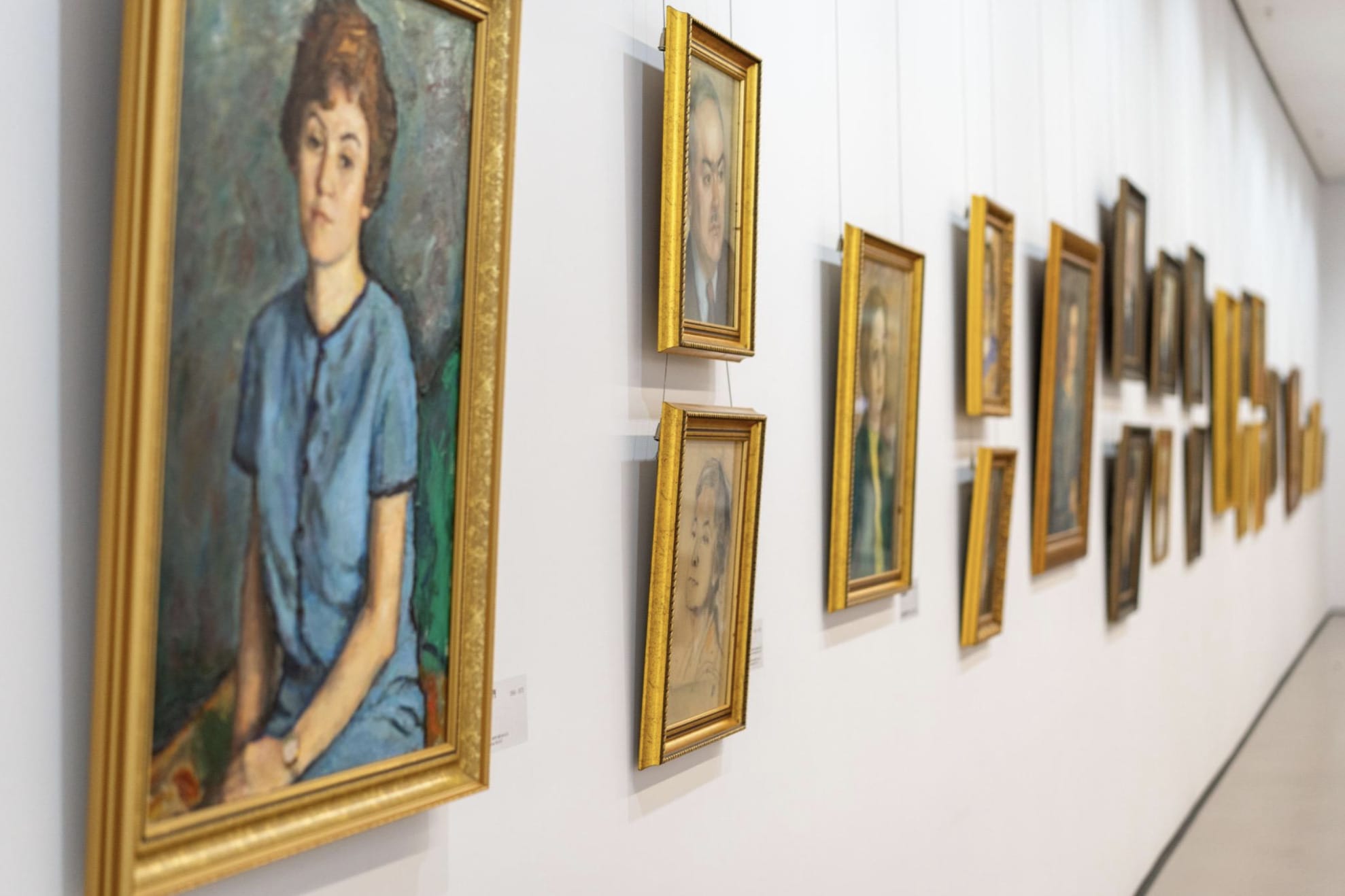
Day 1 at the Georgian Museum of Fine Arts, home to ATIFF’s opening program, curated art tour and screenings. Photography: Evgeni.
Yet the festival’s deeper identity revealed itself when we left the museum. We traveled to Mtskheta, Georgia’s ancient capital, where the 6th century Jvari Monastery rises above the landscape. Looking out across the rivers, mountains, and town below, I understood more clearly what Irina meant when she spoke about Georgia as a living part of the festival.
Most festivals ask us to watch stories. ATIFF asks us to enter them.
Most film festivals inhabit dark screening rooms. ATIFF takes cinema and places it directly into dialogue with living spaces, ancient heritage, and human warmth.
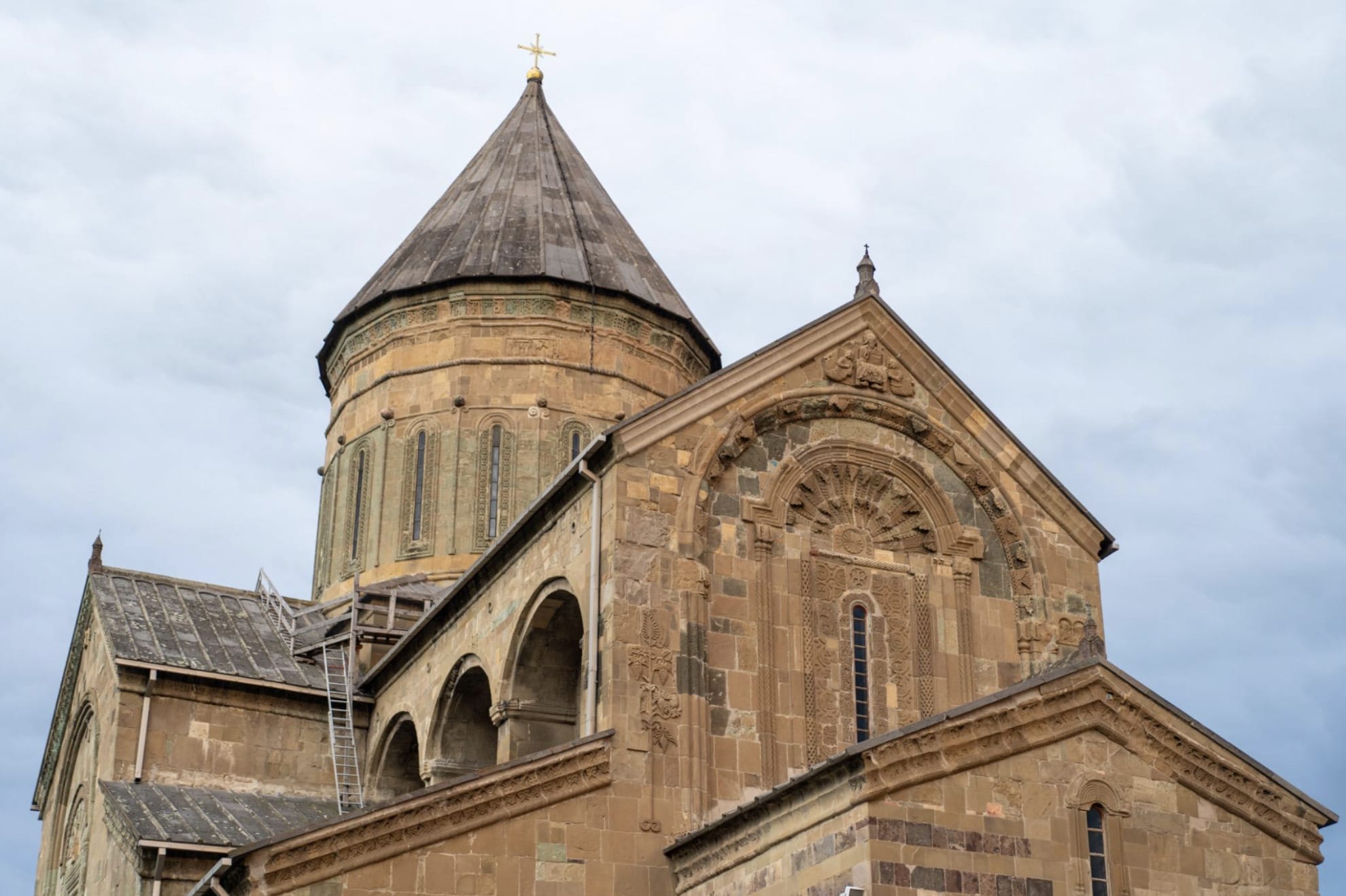
The Day 1 heritage excursion to Mtskheta brought ATIFF guests into Georgia’s sacred architecture beyond the screening room. Photography: Evgeni.
Here, screen tourism is not simply discussed as an industry concept. Festival guests walk through the landscapes being spoken about. We stand inside historic spaces. We taste the food. We drink the wine. We meet the people. Culture is no longer background material for cinema. It becomes part of the cinematic experience itself.
That first day ended with a traditional Georgian welcome dinner at Ornament Express in Mtskheta, where Georgian hospitality became part of the festival story and introductions slowly became relationships. Around the table were participants from the United States, Israel, Iran, Russia, Ukraine, India, Oman, the Maldives, Turkey, Greece, Georgia, and beyond. What began as a collection of countries became a table.
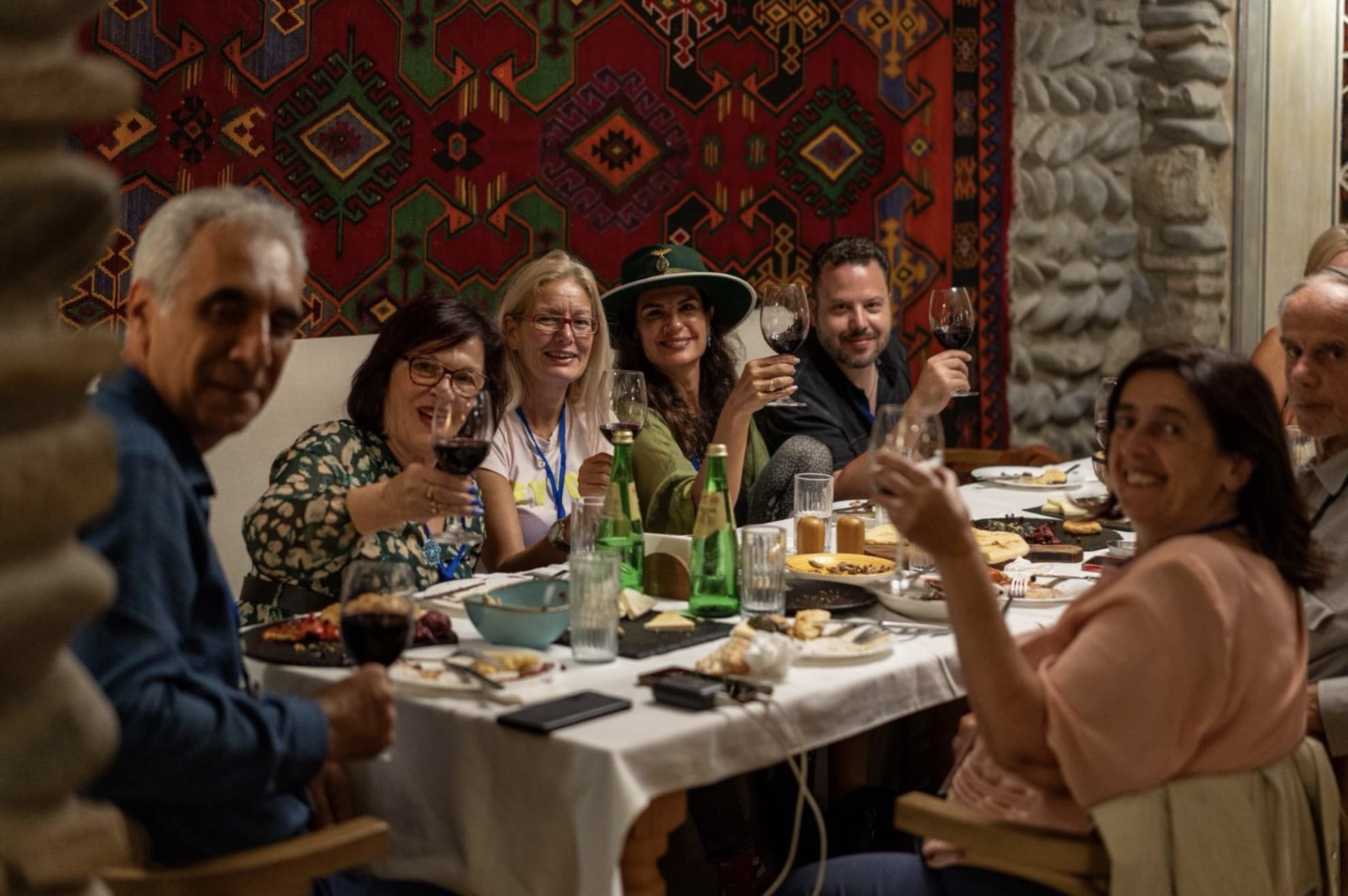
ATIFF guests sharing a traditional Georgian welcome dinner at Ornament Express in Mtskheta, where hospitality, wine, and conversation became part of the festival experience. Photography: Evgeni Abornev.
From the Academy to the Vineyards
The second day began at the Tbilisi State Academy of Arts, one of ATIFF’s key academic partners. The morning included an official reception, memorandum signing ceremony, and guided historical tour of the Academy, followed by a masterclass from Polish Oscar winning animation producer and director Zbigniew Zmudzki, who explored the journey from an idea to award winning animation.
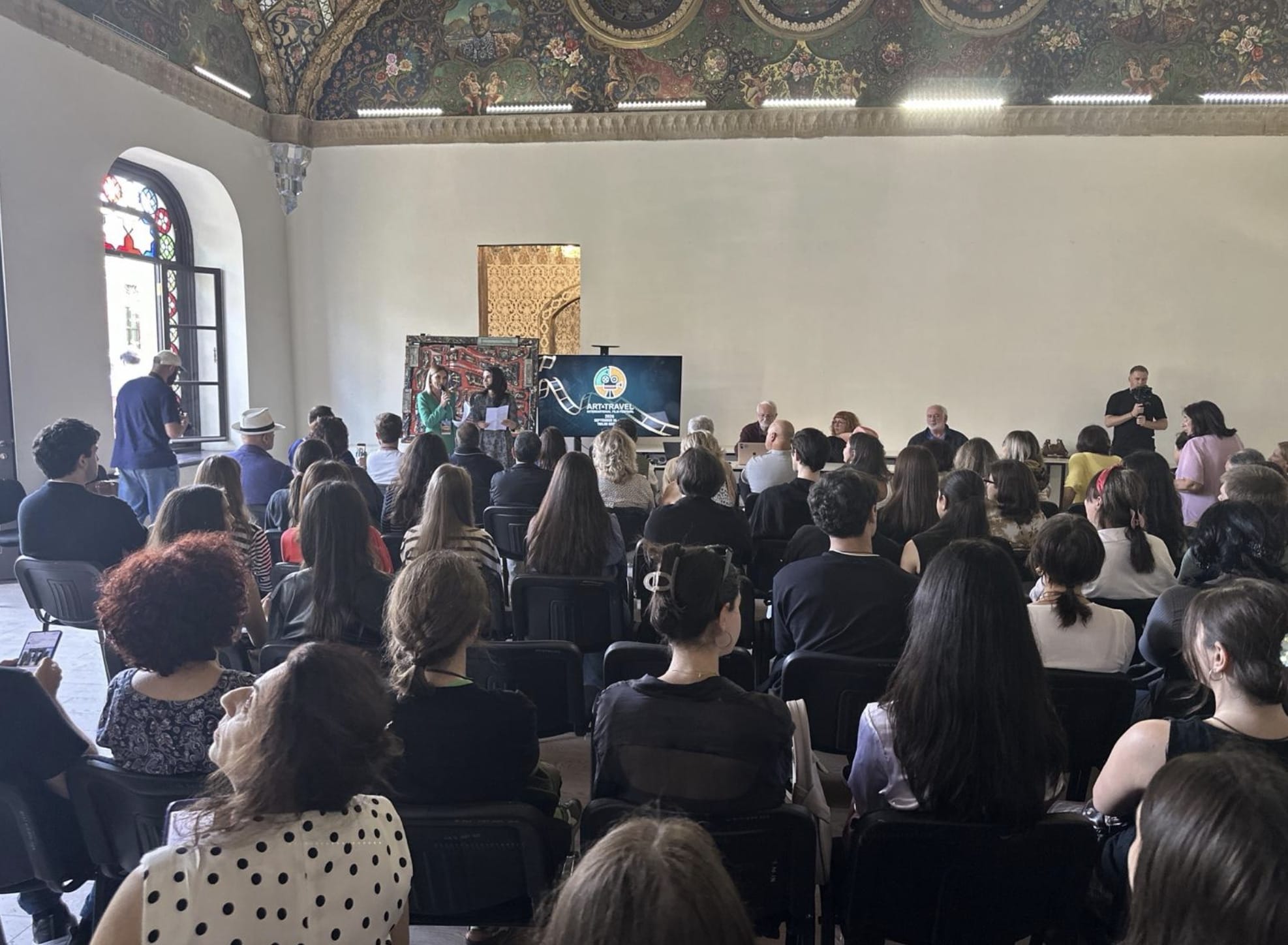
Zbigniew Zmudzki’s masterclass at the Tbilisi State Academy of Arts drew an engaged audience of students, filmmakers, and festival guests.
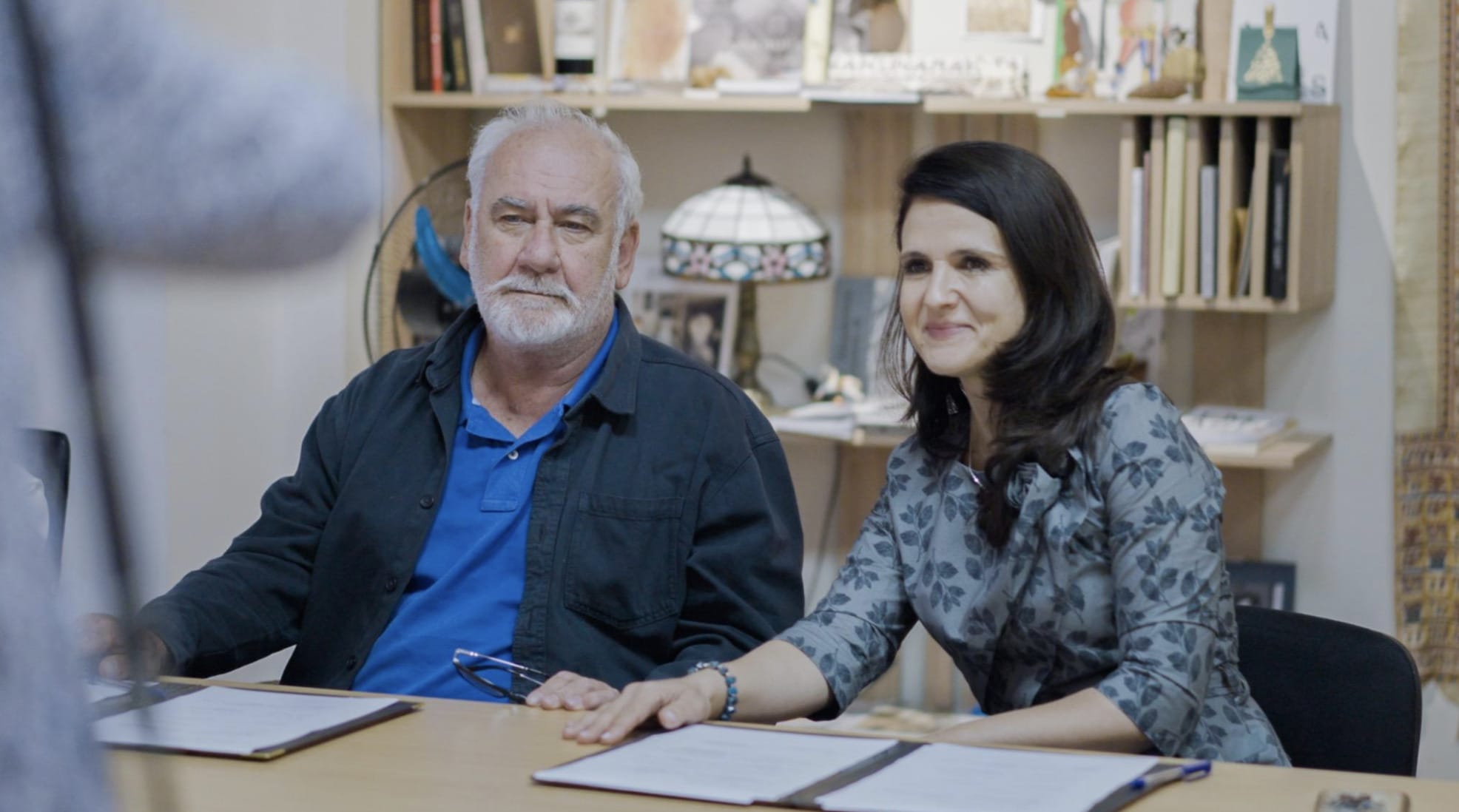
The official memorandum signing at the Tbilisi State Academy of Arts strengthened ATIFF’s bridge between the international festival community and Georgian arts education. Photography: Evgeni.
There was something moving about watching established international filmmakers share space with young Georgian students. Festivals often celebrate completed work. This day also celebrated transmission. Knowledge moved from one generation to another.
For Irina, this exchange is essential. She told me she hopes Georgian students who find themselves sharing rooms with global filmmakers, artists, and media professionals leave with the quiet confidence that their own voices belong on the world stage.
From the Academy, we traveled east into Kakheti, the historic heart of Georgian wine culture. The transition felt almost cinematic in itself. City gave way to countryside. Lecture halls gave way to vineyards.
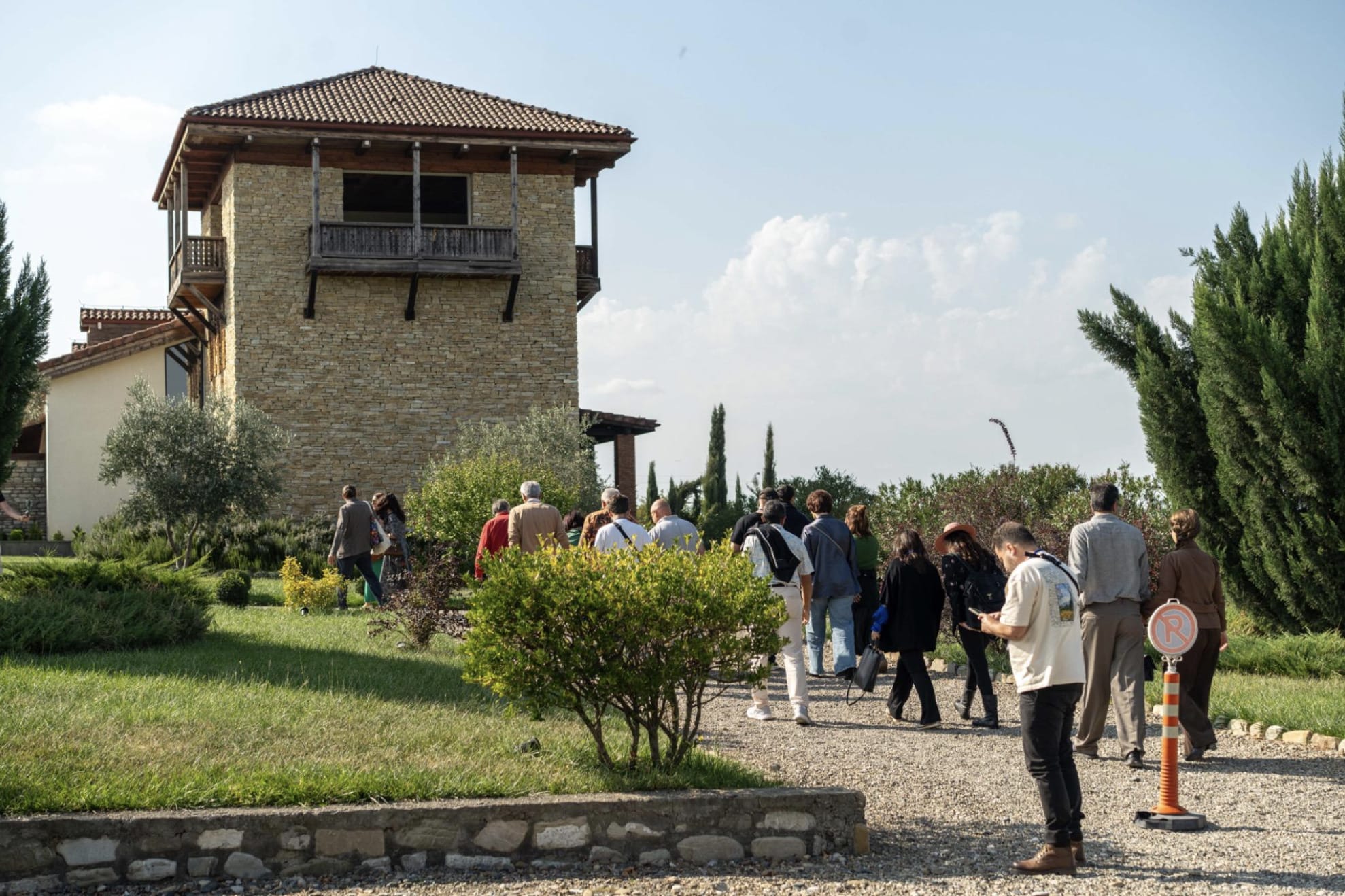
ATIFF guests moving through the Kakheti program on Day 2, where the festival’s cinematic conversation opened into landscape, wine culture, and hospitality. Photography: Evgeni Abornev.
Our program continued at Château Mosmieri, where wine, food, and traditional Georgian hospitality became another language through which the country introduced itself. We watched bread being made by hand. We encountered traditional sweet making. We tasted wine where wine has been part of civilization for thousands of years. Georgia’s wine history is not presented here as a trend or luxury experience. It is ancestry. It is memory carried in clay, soil, grape, and ritual.
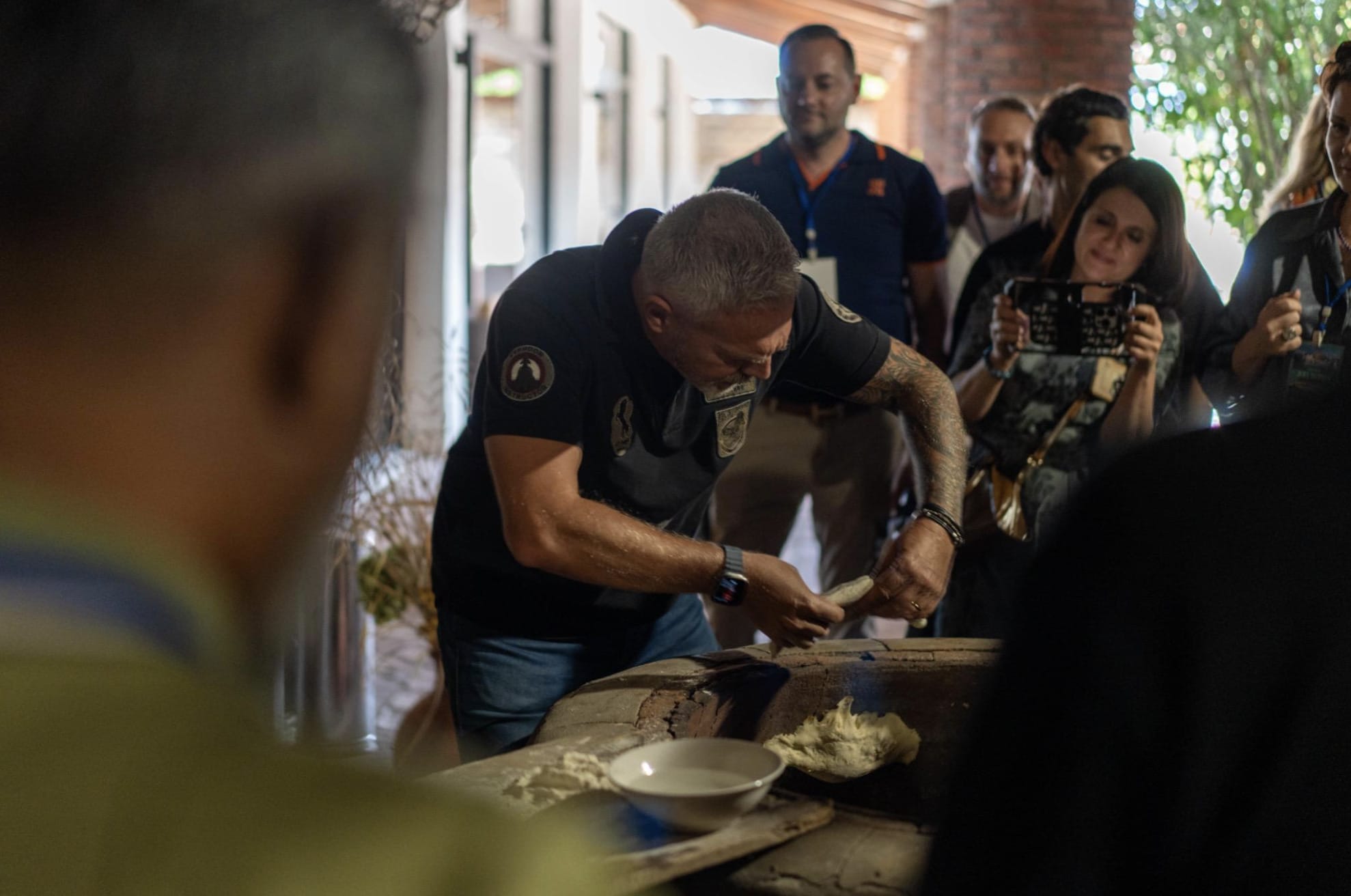
Traditional Georgian bread making during the Kakheti program, one of the tactile encounters that carried ATIFF beyond cinema into lived heritage. Photography: Evgeni.
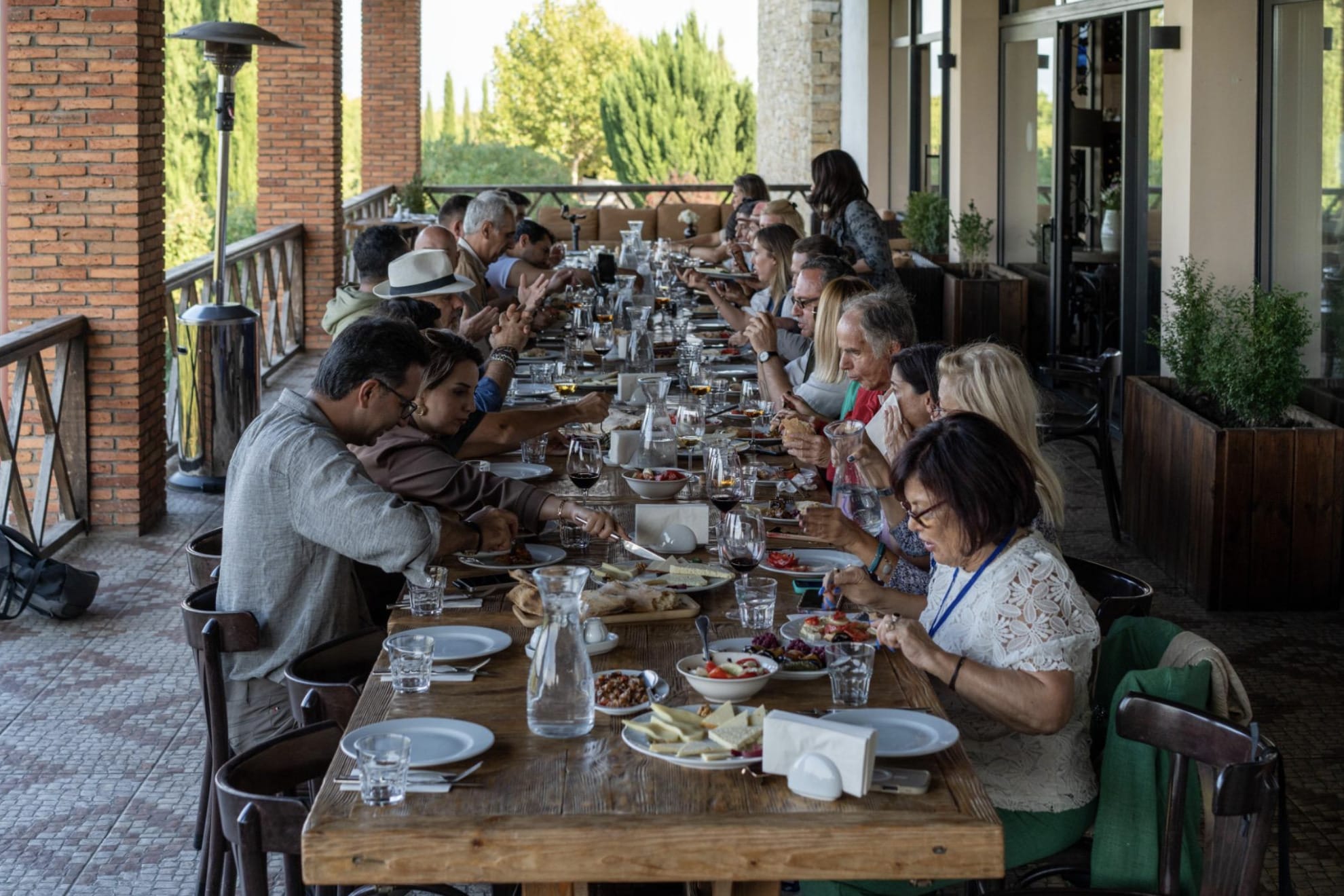
A shared Kakhetian table during Day 2, where food, wine, and conversation became part of ATIFF’s cultural storytelling. Photography: Evgeni Abornev.
Later came a visit to the Alexander Chavchavadze Tsinandali Estate & House Museum, followed by a Georgian wine reception with traditional food, music, and shared celebration.
This is where ATIFF’s title truly makes sense. Art. Travel. Neither is decoration for the other. They are inseparable.
The Kakheti journey also included Corporation Georgian Wine & The Wine Station at Nozadze Estate, extending the day’s encounter with Georgia’s wine culture into another space of tasting, hospitality, and connection. As guests from different countries gathered, shared wine, and moved together, the celebration became another expression of the festival’s central idea: art and travel creating a language beyond borders.
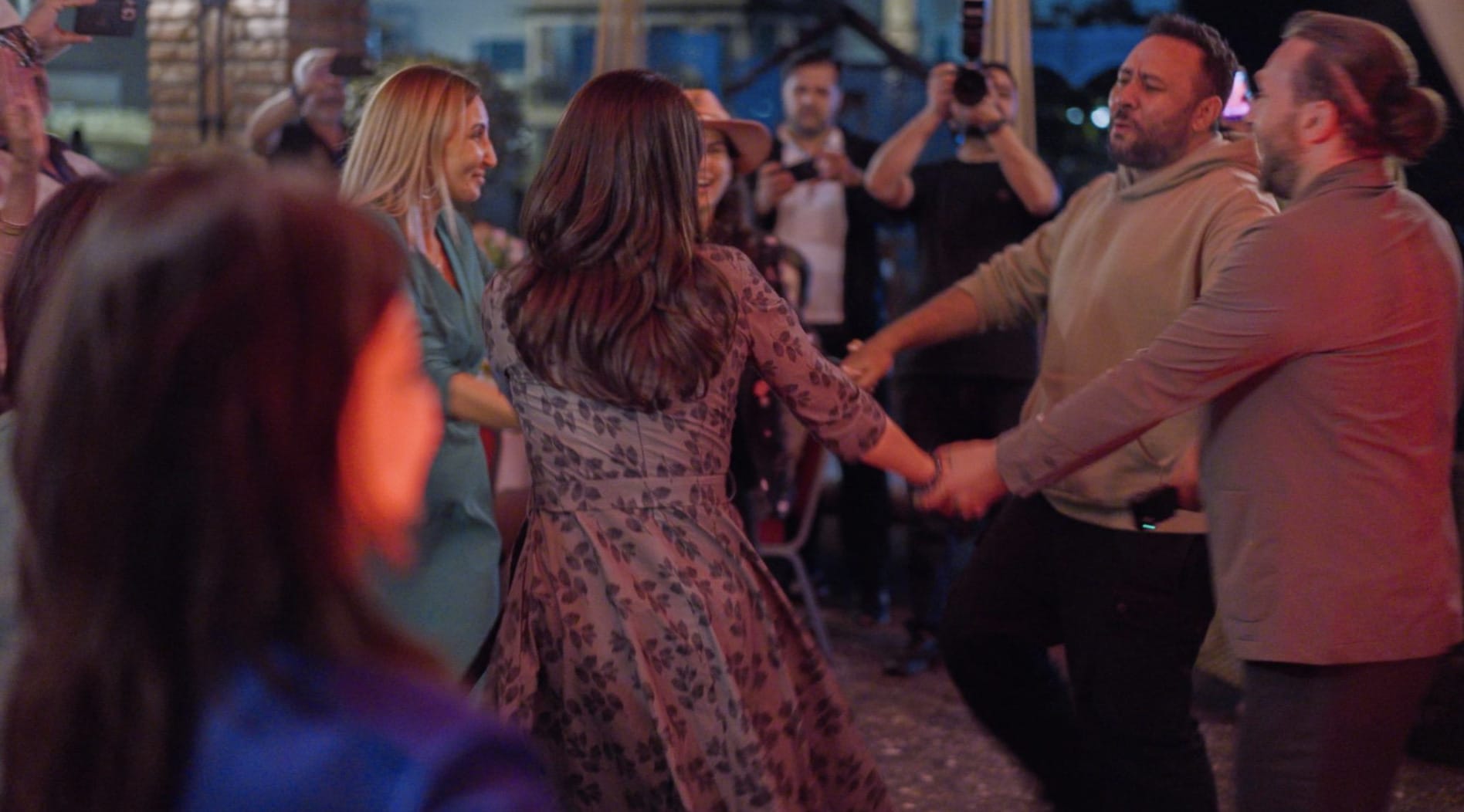
Guests from different countries joining hands in dance during the Kakheti program, where Georgian wine, hospitality, and movement became a shared language beyond borders. Photography: Evgeni Abornev.
Irina spoke to me about wanting guests to carry home more than awards or certificates. She hopes they remember shared tables in Kakheti. Conversations between masterclasses. The landscape. The hospitality. The sensation that Georgia is not simply somewhere they attended a festival, yet somewhere that begins to feel like a creative home.
The Body as the First Screen
On the third morning, I stepped into a different role. After witnessing the festival as journalist and guest, I entered the room as facilitator for Dance of Liberation: Storytelling Beyond Borders.
Dance of Liberation® began more than twenty years ago from a simple yet profound inquiry: What happens when we stop trying to think our way into a new story and allow the body to participate?
The body remembers what the mind has forgotten. It carries survival patterns, inherited beliefs, emotional memory, desire, fear, instinct, and possibility. Movement gives those stories another language.
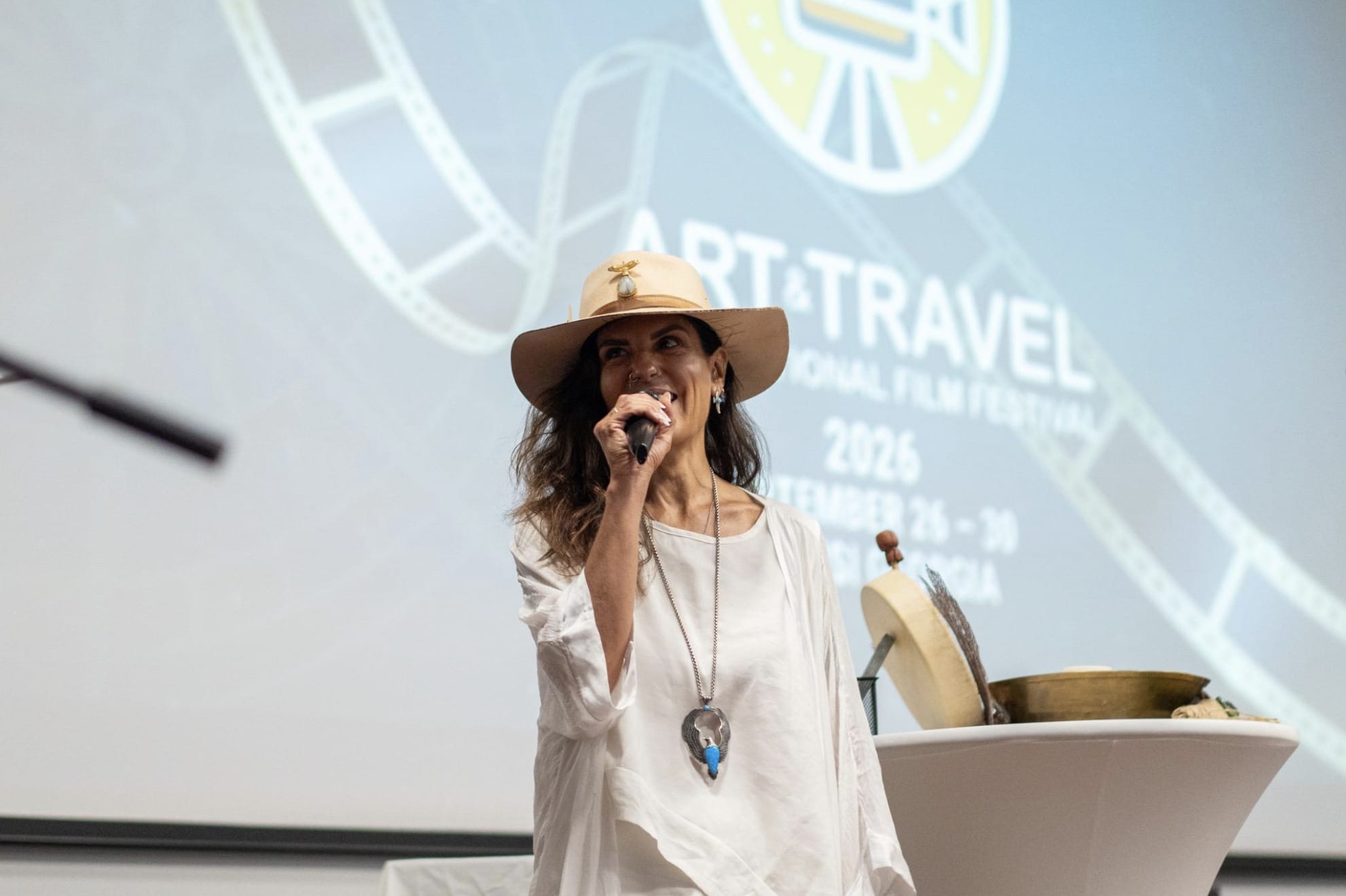
Parashakti leading “Dance of Liberation: Storytelling Beyond Borders” during ATIFF’s Day 3 industry program at the Georgian Museum of Fine Arts. Photography: Evgeni.
For the ATIFF masterclass, we explored storytelling not only as something projected onto a screen — rather, as something already being written within us. Before narrative becomes cinema, it is sensation. Before it becomes dialogue, it is breath. Before it becomes image, it is lived.
Irina’s response when I asked why it mattered to include both the Dance of Liberation film and experiential masterclass within ATIFF touched me deeply. She described cinema as the capture of light and motion, then offered another way of seeing the body.
Dance of Liberation reminded us of cinema’s most primal element: the human body as the first canvas and the ultimate screen.
For her, travel itself is not only geographical. It is internal. “When movement becomes a language, the body releases past trauma, inherited constraints, and conditioned silences,” she wrote. “An inner narrative begins to be filmed from within, frame by frame, breath by breath.”
Before a story is framed through a lens or projected on a wall, it must first be felt, lived, and liberated within the human spirit.
Music as a Way Through
The movement journey was held musically by Tata Leban, our Tbilisi born Guest DJ. Her contribution deserves its own acknowledgment because the music in Dance of Liberation® is never simply background. It is architecture. It opens doors the thinking mind cannot always reach.
Tata created a musical landscape with sensitivity, power, and soul, listening to the energy of the room while helping carry participants deeper into movement, surrender, and transformation. She did not simply accompany the masterclass. Through sound, she became part of the storytelling itself.
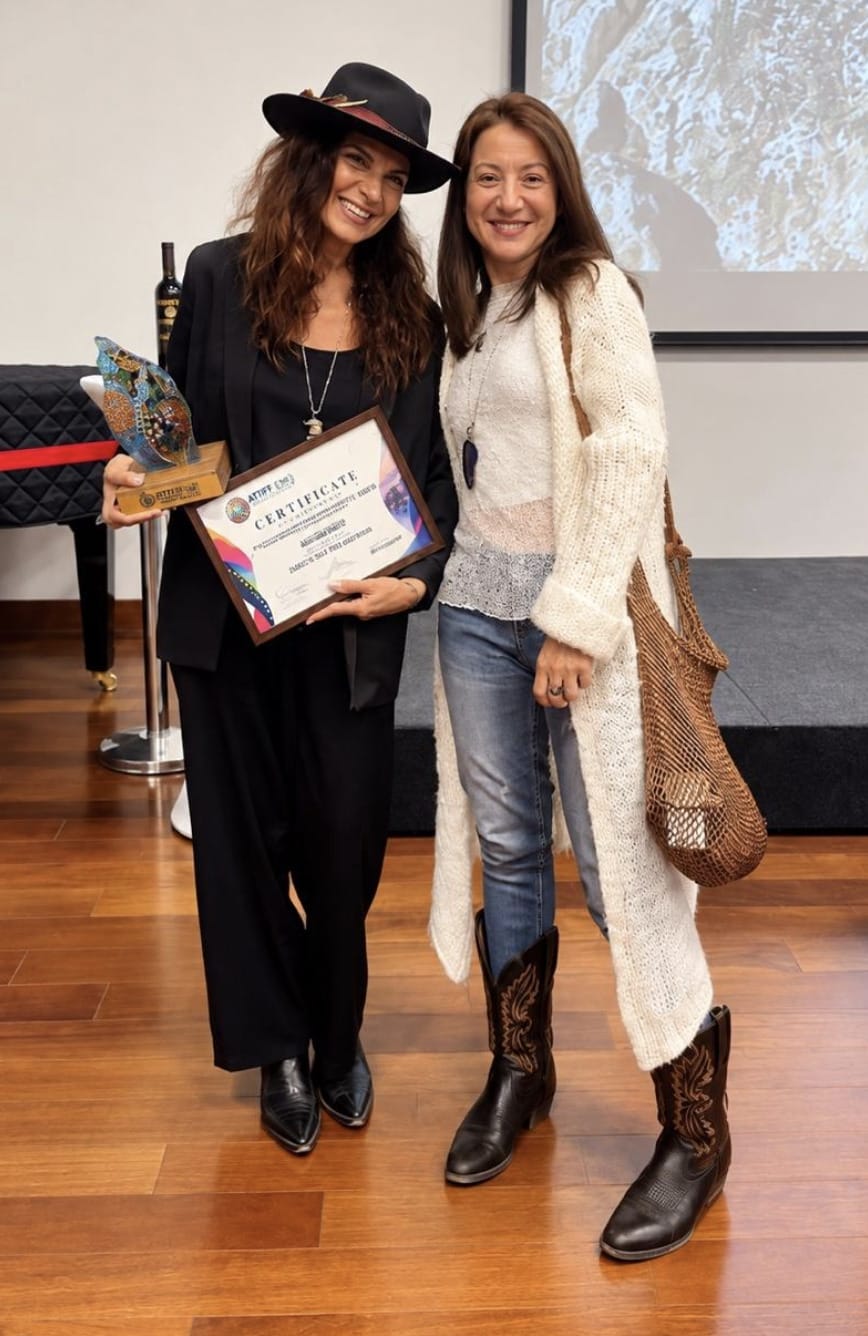
With Guest DJ Tata Leban after the ATIFF awards. Her musical artistry helped shape the emotional landscape of Dance of Liberation®: Storytelling Beyond Borders. Original festival photograph, cropped only for layout.
A Journalist’s Reflection
Greek travel journalist, blogger, photographer, and ATIFF Special Guest Debbie Hiotopoulou shared her own reflection on the gathering, writing about the almost “magical” quality of the connections formed among participants arriving from so many different countries, and describing an experience filled with energy, inspiration, and knowledge.
The experiential workshop named ‘Dance of Liberation: Storytelling Beyond Borders’ really touched me deepest to my heart.
She described it as an experience she would remember, speak about, and share with others for a long time. Her words stayed with me because the deeper measure of transformational work is rarely what happens only inside the room. It is what continues traveling after the room is gone.
When the Story Returned as an Award
That afternoon, we returned to the city with a guided walk through the architecture and historic quarters of Old Tbilisi. Then came the final gathering: the Grand Gala Awards Ceremony at the Georgian Museum of Fine Arts.
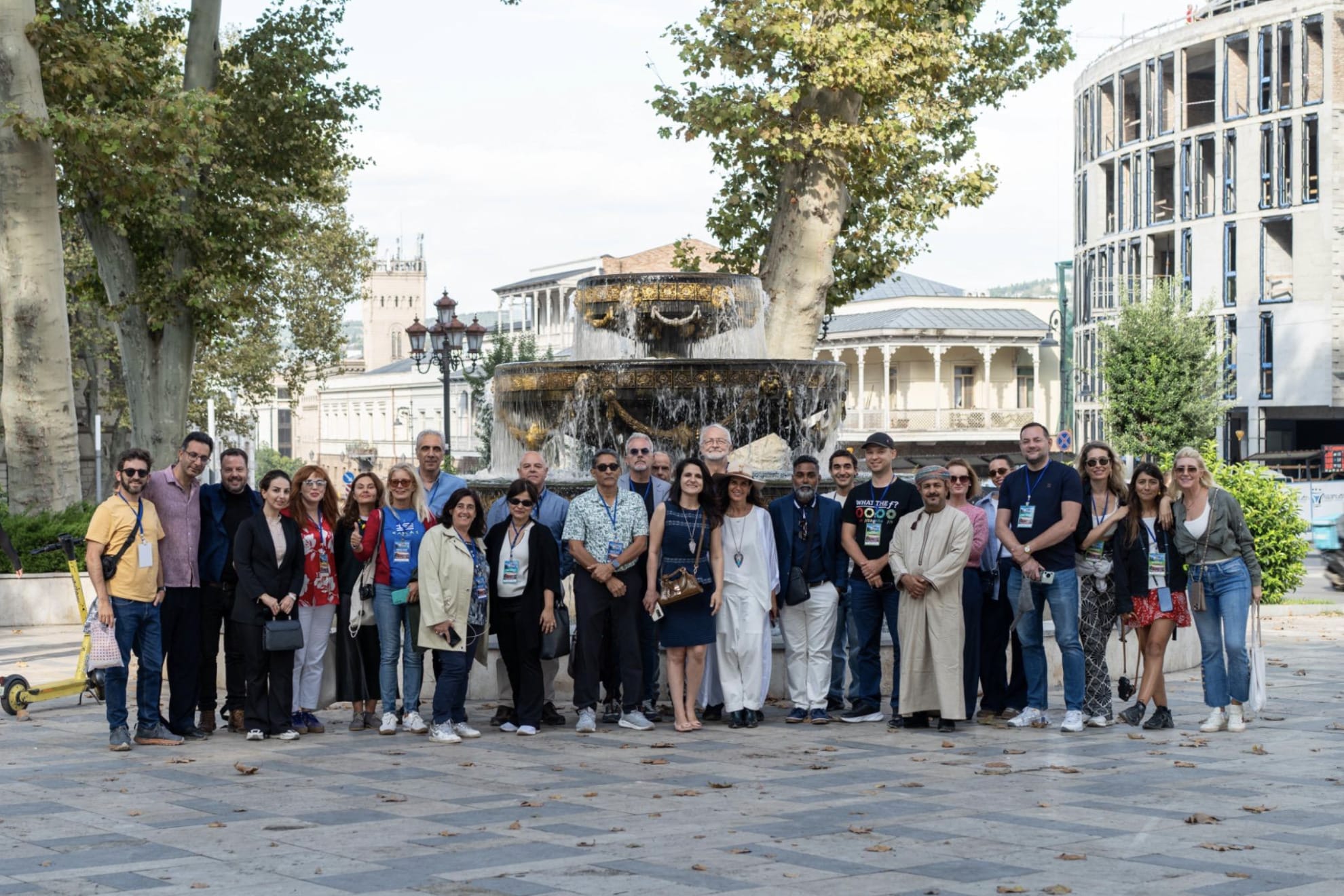
Festival guests gathered in Tbilisi during the city program. ATIFF’s “screen” extended into the streets themselves. Photography: Evgeni Abornev.
There are moments when an award feels like a conclusion. This one felt more like a mirror. Dance of Liberation received Second Prize in the Art Documentary category.
After years of carrying this work through workshops, ceremonies, screenings, edits, conversations, losses, breakthroughs, and countless bodies moving through their own stories, there was something deeply moving about standing in Georgia holding that recognition. Not because an award defines the work. It does not. The meaning was in seeing a film about liberation of the body recognized inside a festival devoted to crossing borders through art & travel.
One of the people connected to that moment was jury member Prince Alfredo Côrte-Real, whose presence around the award became part of my personal memory of the evening. An award is an object. The human exchange surrounding it is what remains.
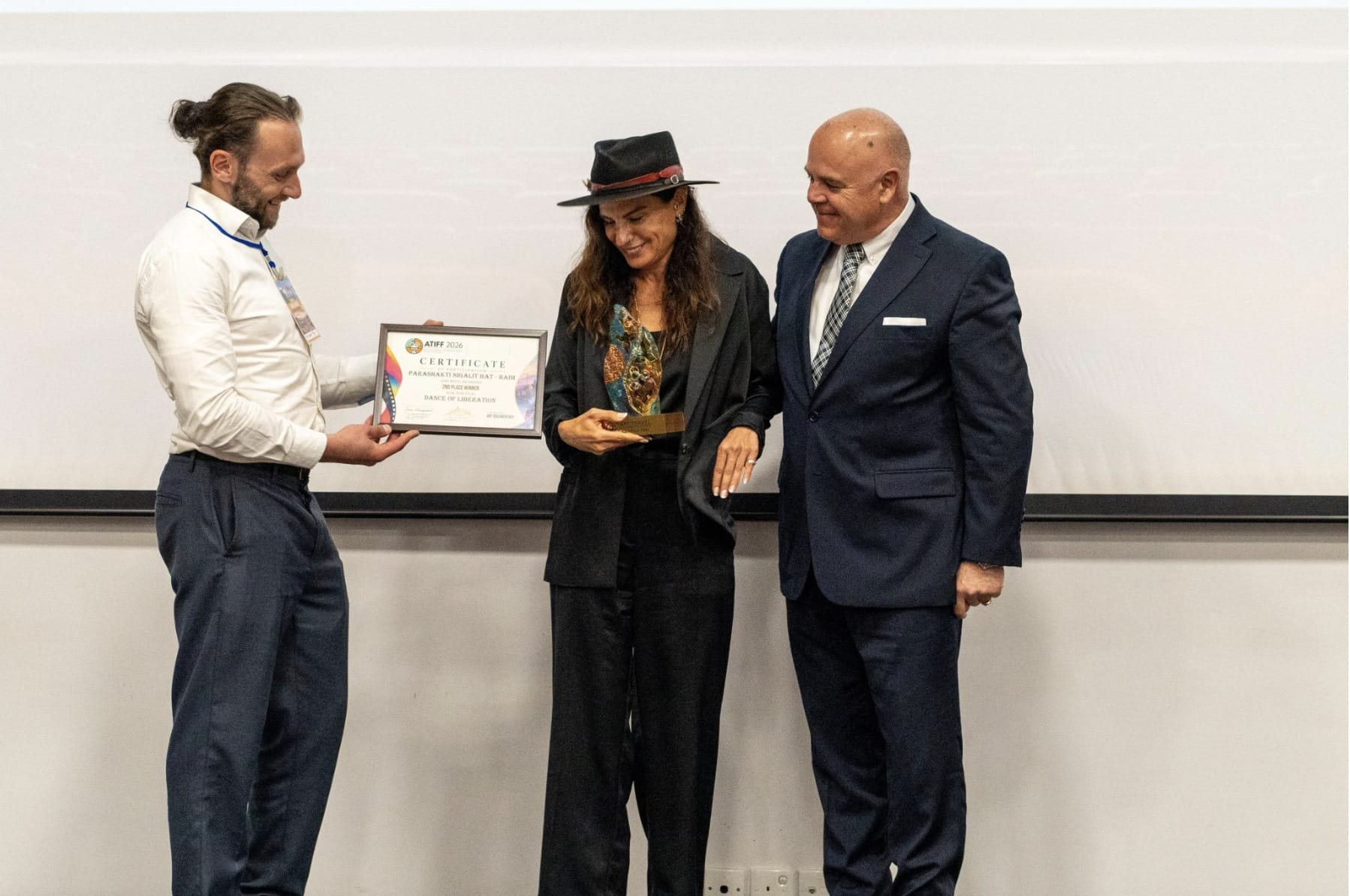
Receiving Second Prize for Dance of Liberation at the ATIFF 2026 Grand Gala Awards Ceremony. Photography: Evgeni Abornev.
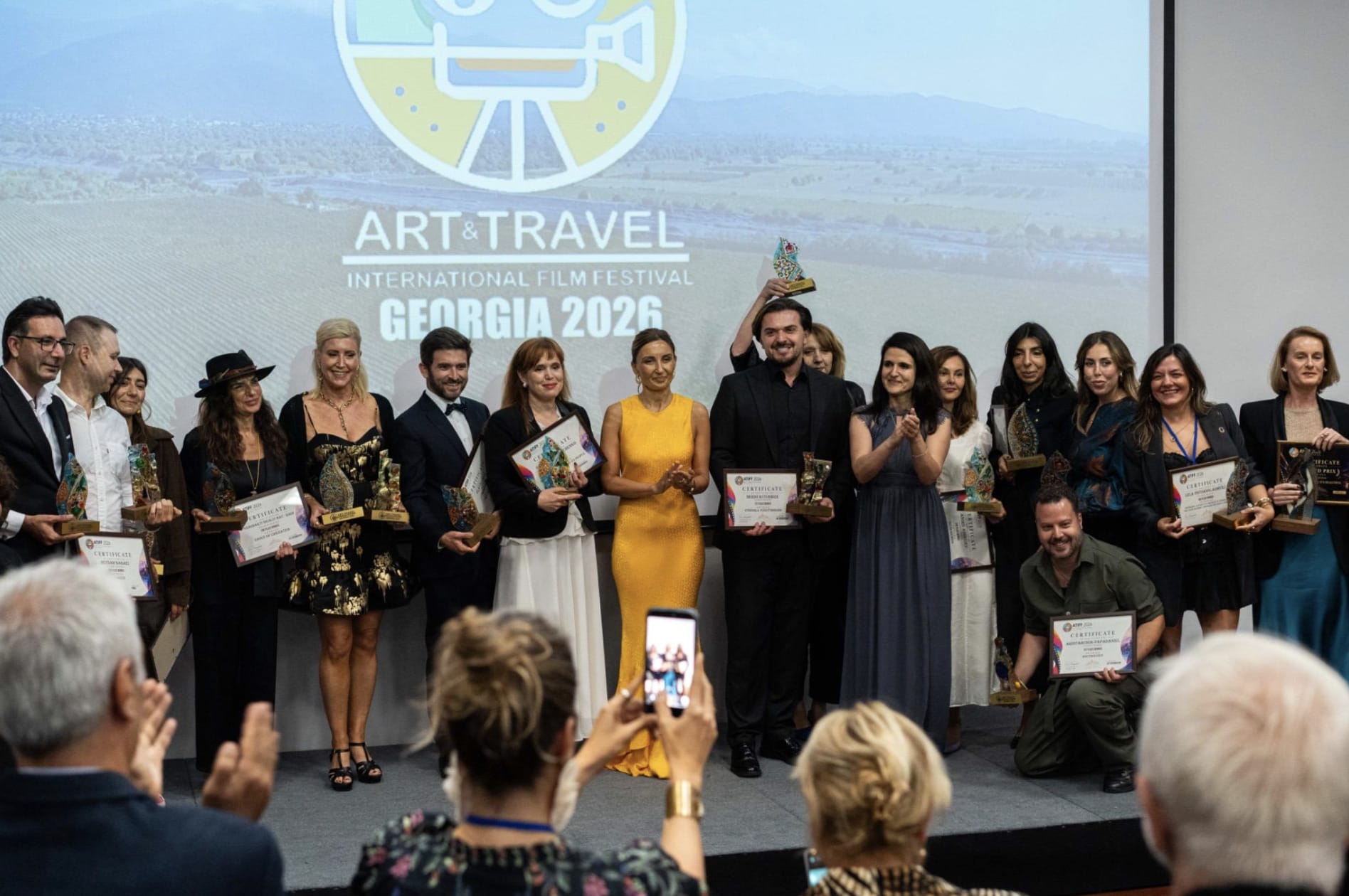
ATIFF 2026 award recipients, international guests, and festival leadership together on stage at the Grand Gala Awards Ceremony. Photography: Evgeni Abornev.
The People Behind the Festival
No festival of this scale is created by one person. Irina spoke candidly about the sleepless nights, collective devotion and family effort behind ATIFF. Her brother Temuri Khangoshvili stood beside the vision. Her son David Gaurgashvili, serving as Technical Director, carried the demanding responsibility of screenings, audiovisuals, and technical flow across multiple venues.
To build a cultural platform of global significance with the people you love most standing shoulder to shoulder with you is the greatest privilege any founder could ask for.
That sentence offers another way to understand ATIFF. It is international in scope. It is also intimate in origin.
With Gratitude to the People Behind ATIFF
My gratitude extends to the festival leadership and team, including Festival President Irina Khangoshvili, Art Director Sofio Kalandadze, festival partner Anna Kurinnaya, Temuri Khangoshvili, David Gaurgashvili, Alexander Balanchivadze, as well as the coordinators, technicians, hosts, and behind-the-scenes hands whose work allowed the festival to unfold.
To the international jury, thank you for bringing your experience, discernment, and commitment to storytelling across borders: Marcello Zeppi, Alberto Rocco, Zbigniew Zmudzki, Can Saracoglu, Reshma Ghosh, Pat Battistini, Maria Wibberley, Nana Iashvili, Irene Giannakopoulos, Prince Alfredo Côrte-Real, Carlos Sargedas, Zurab Dvali, Yuri Mechitov, and Piotr Owczarski.
Each represented a different doorway into cinema, tourism, journalism, photography, production, cultural leadership, and international exchange.
To the international filmmakers, artists, journalists, special guests, and students who filled the rooms, buses, museums, vineyards, dinner tables, and conversations: Thank you for making the festival feel less like an industry gathering and more like a temporary creative village.
A special thank you to Debbie Hiotopoulou for allowing another journalist’s voice to live within these pages and to Tata Leban for bringing her artistry into Dance of Liberation® with such intuitive musical intelligence.
The Eye Behind the Memory
There is one more person I want to acknowledge. Photographer & videographer Evgeni Abornev became an essential part of how I was able to remember, revisit, and ultimately tell this story.
Throughout ATIFF, his lens documented the obvious moments, and more importantly, the atmosphere around them. Movement. Transitions. Encounters. Celebration. The fleeting expressions that disappear almost as quickly as they arrive.
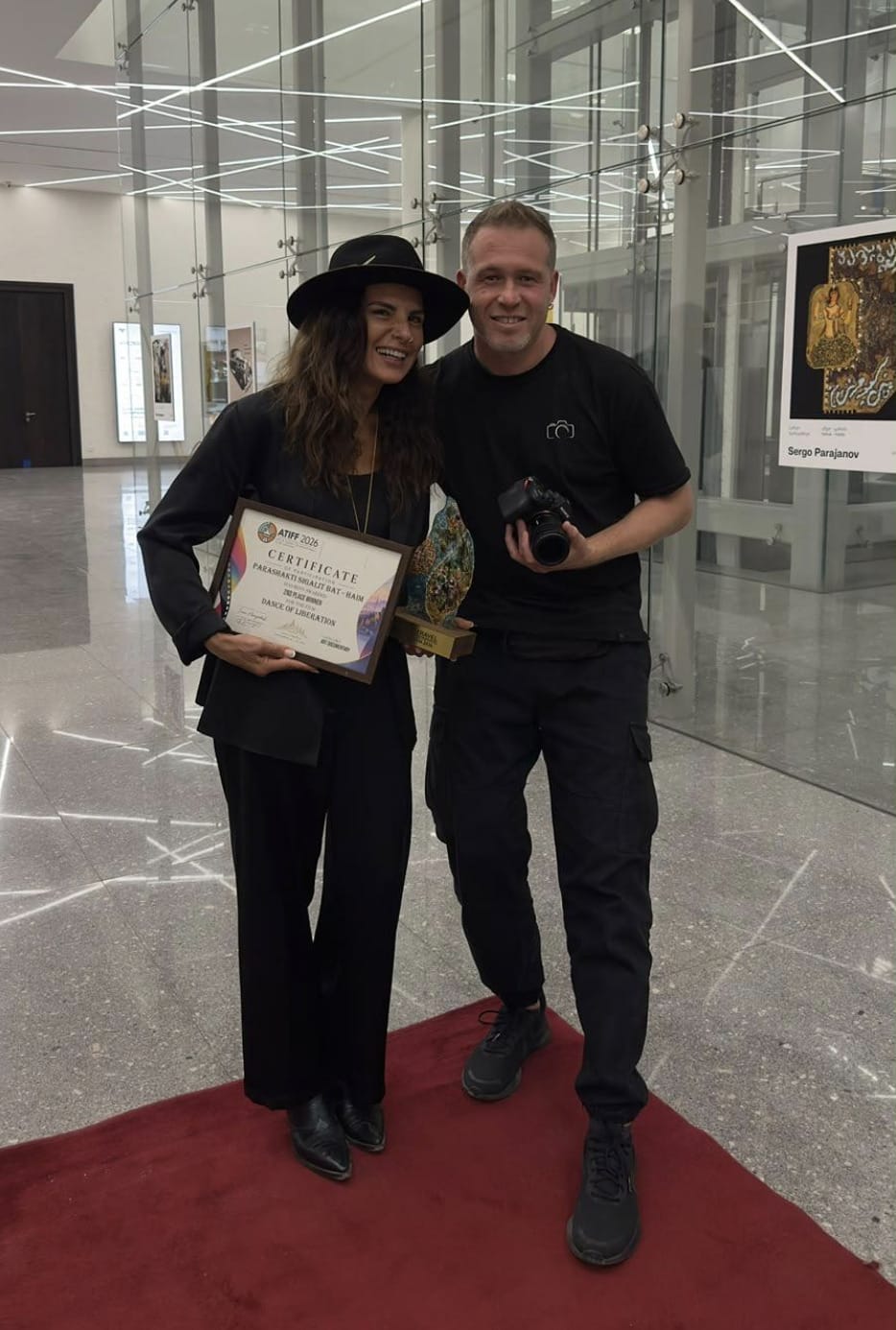
With photographer & videographer Evgeni after the ATIFF 2026 awards. His visual storytelling became part of how this journey could be remembered and shared.
There is a particular sensitivity required to photograph people without interrupting what is naturally unfolding. Evgeni brings that sensitivity to his work. His photographs and film footage became more than documentation. They became another form of storytelling, allowing the spirit of these days in Georgia to continue living beyond the festival itself.
My deep gratitude to him for the presence, care, and artistry with which he captured this chapter.
What We Carry Home
By the time I left Georgia, I understood something about ATIFF that cannot be communicated through a program schedule. The festival is not only about what is shown. It is about what is carried.
A filmmaker carries home a conversation. A student carries home permission. A journalist carries home a story. A dancer carries home something newly opened in the body. A guest carries the taste of wine, a song heard at dinner, a monastery seen from a mountain, a face once unknown that now belongs to memory.
Irina told me her hope is that international guests leave Georgia with stories they cannot wait to tell and with the feeling that the country remains somewhere they yearn to return to. I understand that now.
I arrived in Tbilisi carrying a film about liberation. I left carrying something larger. Not simply a Second Prize. Not simply photographs or certificates. I left carrying the people. The tables. The music. The landscapes. The movement. The ancient stones. The unexpected connections.
And the reminder that perhaps the most meaningful journeys do not ask us only to cross borders. They invite us to become different by the time we return.
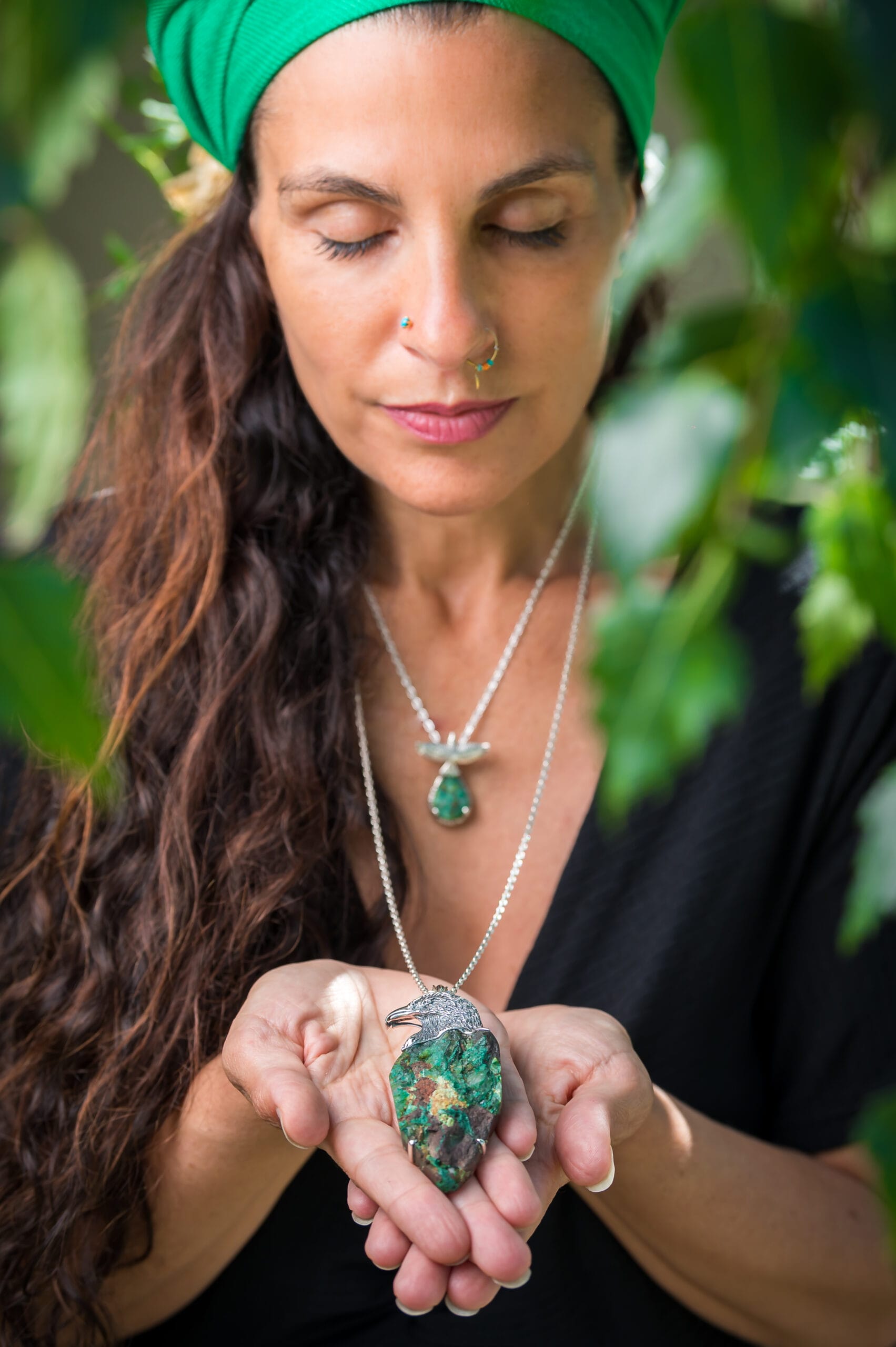
Parashakti Skye is also the founder of sacred jewelry brand Winged Ones®, crafting bespoke Spiritual pieces inspired by the totem animal of the Eagle. Explore the new website redesign and ready-to-ship collections at https://winged-ones.com/.

Parashakti’s shamanic healing work is born of more than two decades of experience facilitating workshops, trainings, and retreats around the world, in Los Angeles, New York, Mexico, Bali, Guatemala, Indonesia, Israel, and Greece. As a lifelong dancer, her path as a healer followed a severe injury – a period of what is often called shamanic dismantling, after which her mission shifted towards healing. Over the last 20 years, Parashakti has developed the Seven Foundations and the Dance of Liberation™, as maps for her spiritual practice, living and breathing these foundations in daily ritual. Dance of Liberation™ has been practiced by over 10,000 dancers around the globe. It’s was born of a mission to help people experience ecstasy – without taking it.
Above all, Parashakti is dedicated to serving community and creating a sacred container where people feel safe enough to experience their deepest essences, honor their voices, and shine their brightest light. Join her on the Dance floor: www.parashakti.org